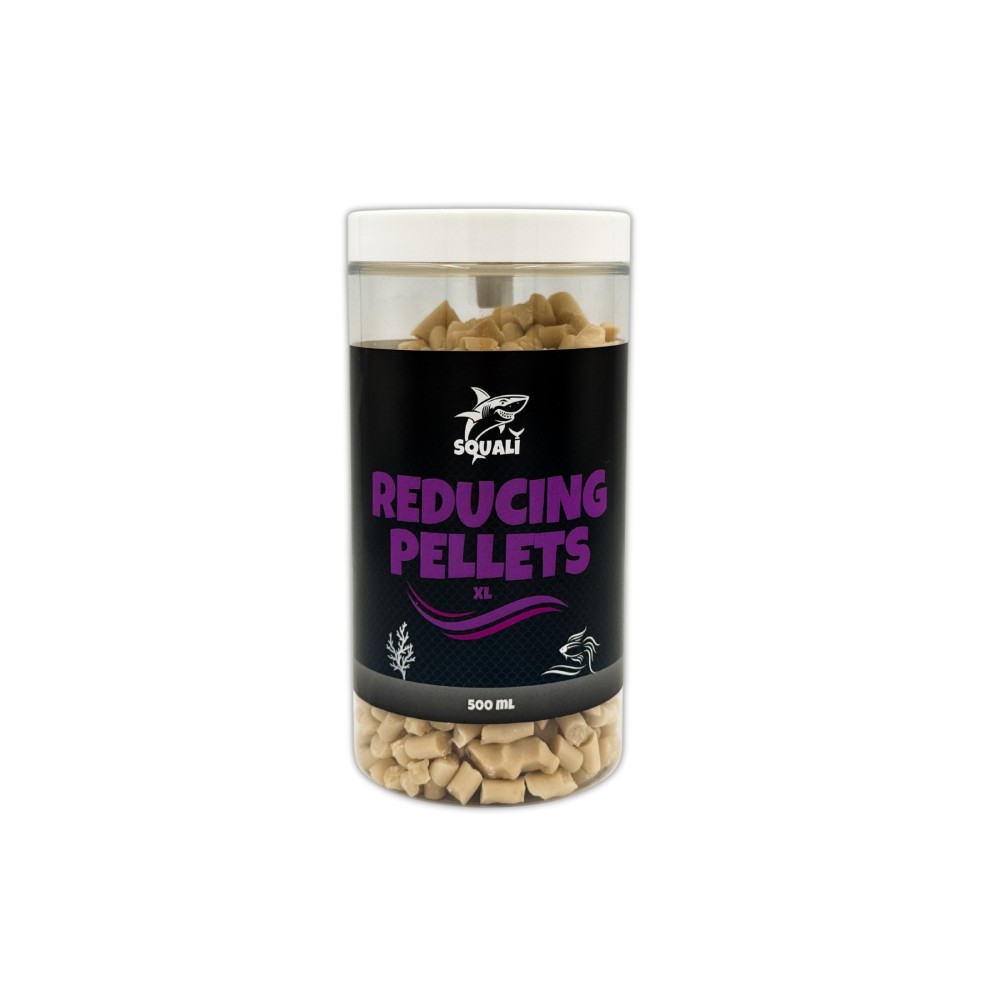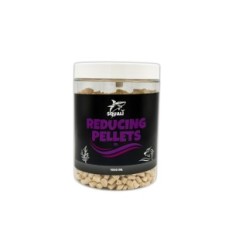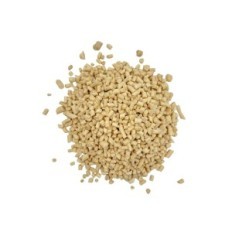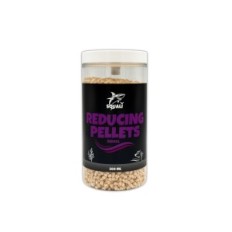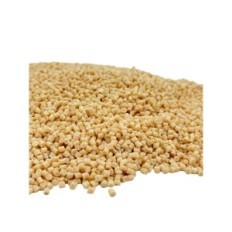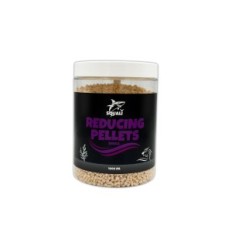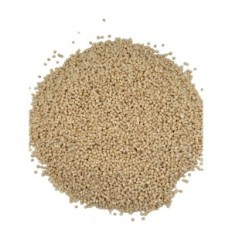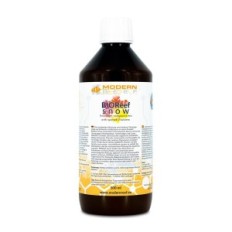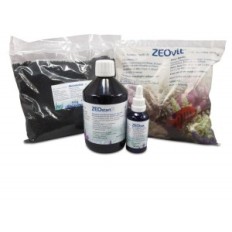
Squali Reducing Pellets XL 500 ml Biopellets for marine aquarium
By credit card and paypal
Buy safely
With online tracking
Squali Reducing Pellets - Effective filter media for the aquarium
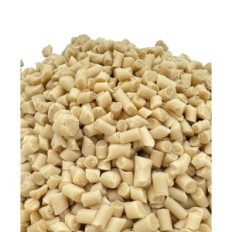
Squali Reducing Pellets are innovative filter media made of biodegradable polymers that provide organic carbon. In the form of small granules, they constitute an excellent substrate for bacteria that multiplying, effectively remove nitrates and phosphates from water. Excess bacteria are eaten by corals and other organisms or removed by the skimmer. It is best to put a filter outlet with pellets before the skimmer to increase the gas exchange, removing CO2 and adding O2.
The operation process:
- Operating time: Within 2-4 weeks, bacteria begin to effectively reduce the levels of nitrates and phosphates.
- The need to be replenished: pellets consume over time, so every 3-6 months should be added about 100 ml to maintain their effectiveness.
- Dosage: Recommended amount is 0.5-1 L per 500 l water in the system.
Advantages of using Squali Reducing Pellets:
- Local growth of bacteria: stimulate the growth of bacteria in the filter chamber, not throughout the aquarium.
- Cyanobacteri prevention: pellets bacteria compete with undesirable microorganisms, inhibiting the development of cyanobacteria.
- Easy to use: pellets do not require replacement, only periodic replenishment.
- Efficiency: effectively eliminate nitrates and phosphates without the need for daily dosage.
Important tips:
- Strong skimmer: necessary to effectively remove excess bacteria.
- Good aeration: Provides a suitable gas exchange in the aquarium.
- Large water flow: maintaining the appropriate flow through the pellets prevents the formation of hydrogen sulphide. The best results are obtained in fluidizing reactors that prevent the accumulation of the detritus.
- Avoid ozone and UV: these methods can negatively affect the settlement of bacteria on pellets.
- gradual introduction: at high levels of nitrates and phosphates, starting from a smaller amount of pellets, gradually increasing the dose to avoid rapid changes in water parameters.
- phosphate support: with intense feeding, it is worth adding adsorber phosphates