


How to Organize an Efficient Hairstyling Trolley Workspace
A well-chosen hairstyling trolley keeps essential tools close without cluttering your station. The right model depends on your storage needs, available space, and movement around the salon. Here is a simple method to compare trolleys and organize their use.
Inventory What Needs to Stay Within Reach
Before choosing a hairstyling trolley, list the items used at the station and distinguish those that must be accessible during service from those that can be stored separately. The goal is to facilitate work, not to concentrate the entire salon stock on a small trolley.
Group items by use: tools, accessories, consumables, and elements necessary for service organization. Plan suitable separation between items ready for use and those that should be handled after use according to your professional procedures. A trolley alone does not ensure this organization.
This inventory helps compare useful volumes. A high number of drawers does not guarantee your items will fit. If interior dimensions are not indicated but are crucial, get confirmation before ordering.
Choose Storage According to Items Used
Open trays make certain elements visible and accessible. Drawers allow grouping contents, but their usefulness depends on their size and layout. Compare depth, opening mechanisms, and any possible removal options provided by the manufacturer.
A top work surface can be practical for preparing necessary materials, provided usage and limits are respected. Do not automatically consider the trolley's top as heat-resistant or resistant to salon products.
For preparation, note:
- Items that must stay accessible without opening a drawer.
- Accessories requiring specific compartments.
- Products whose storage follows special instructions.
- Equipment that should remain in a separate unit.
This provides a more precise list of needs than just a maximum capacity goal.
Check Dimensions and Movement Around the Chair
The trolley should be positioned near the station without obstructing team movement or client seating. Measure available space with the chair in used positions. Consider drawer openings and nearby doors.
In a small salon, a narrower trolley may be interesting, but compare the actual workspace available. The external dimension does not fully describe the usage area. An open drawer or a side-mounted accessory might require extra clearance.
Also plan a storage place when the trolley is not in use. Leaving it in a passageway negates part of the benefit of a better organized station. Marking the floor helps verify placement before purchase.
Examine Mobility and Stability
Wheels make movement easier, but their features must suit manufacturer-specified conditions. Check information about floor compatibility, brakes, and usage conditions. A photo cannot confirm these points.
Consider real movements: between chairs, to preparation zones, or storage. Thresholds, mats, and narrow passages may affect trolley practicality. Do not assume a model handles all obstacles just because it has wheels.
Respect available load and distribution indications. Avoid overhangs and piling items on top. If stability depends on specific instructions, these should be part of the station’s organization, not just initial assembly.
Accessories, Maintenance and Team Habits
Some models include holders or slots for tools. Verify their exact function and stated limits. A device holder does not automatically mean a safe place to put hot or plugged-in devices.
For maintenance, identify materials and manufacturer cleaning recommendations. Removable drawers can facilitate surface access but do not change cleaning rules. Confirm compatibility with salon products used.
Once the trolley is chosen, define an arrangement understandable by the team. Assign places to common items, avoid mixes hard to control, and plan tidying between uses. This organization also helps identify missing consumables before starting a service.
Keep trolley model references and instructions. They are useful for confirming accessories, ordering parts, or checking guidance. Visually similar furniture may not have the same specifications.
Frequently Asked Questions
Should I choose the trolley with the most drawers? Not necessarily. Useful size and accessibility of storage are as important as their number. Start with the items to store and confirm dimensions.
Is one trolley suitable for multiple service types? It depends on planned uses, accessories, and needed organization. Examine needs without assuming one furniture category covers all activities.
Can a hot device be placed on the top surface? Only if usage and conditions are explicitly specified. Do not infer heat resistance from color or material appearance.
How to prepare a consultation request? Provide available space, items to store, floor type, and considered models. This helps compare options on concrete criteria.
Explore the equipment
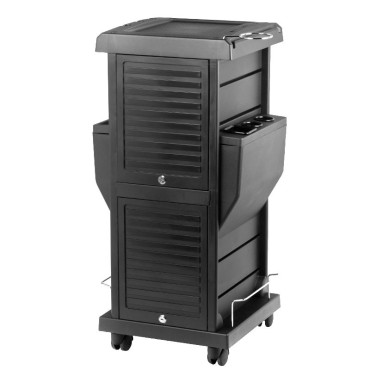 Gabbiano hairdressing assistant 100c blackView product
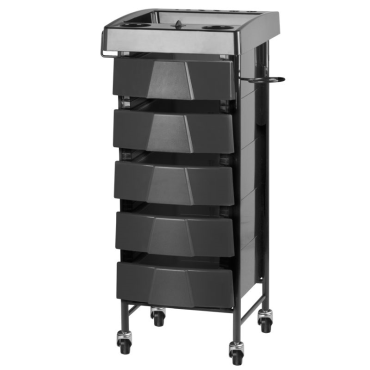 Gabbiano hairdressing helper 008 blackView product
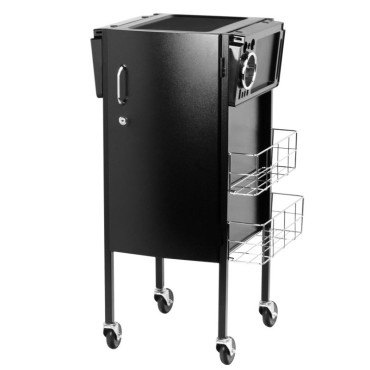 Gabbiano hairdressing helper deluxe 500 blackView product
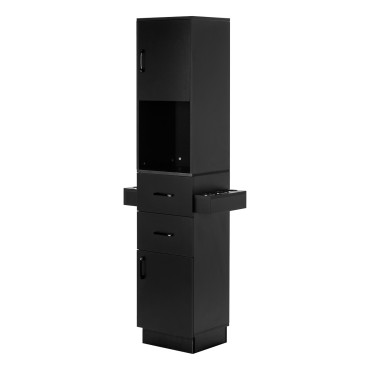 Hairdressing station TOTEM BLACKView product
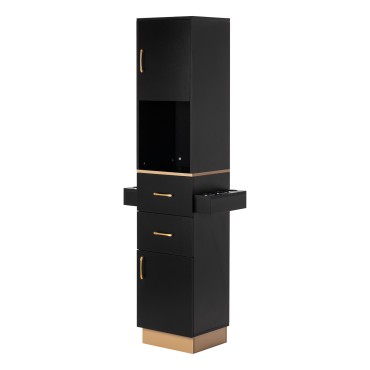 Hairdressing station TOTEM GOLDView product
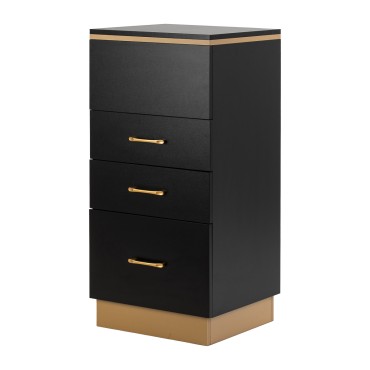 Gabbiano 2027BG hairdresser's helperView product
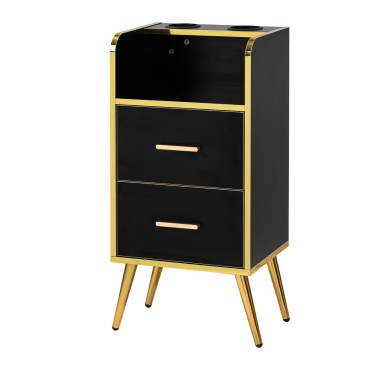 Gabbiano Hairdressing Helper Trix gold blackView product
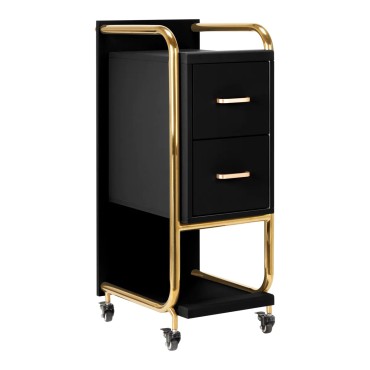 Gabbiano hairdressing assistant Solo gold – blackView product